
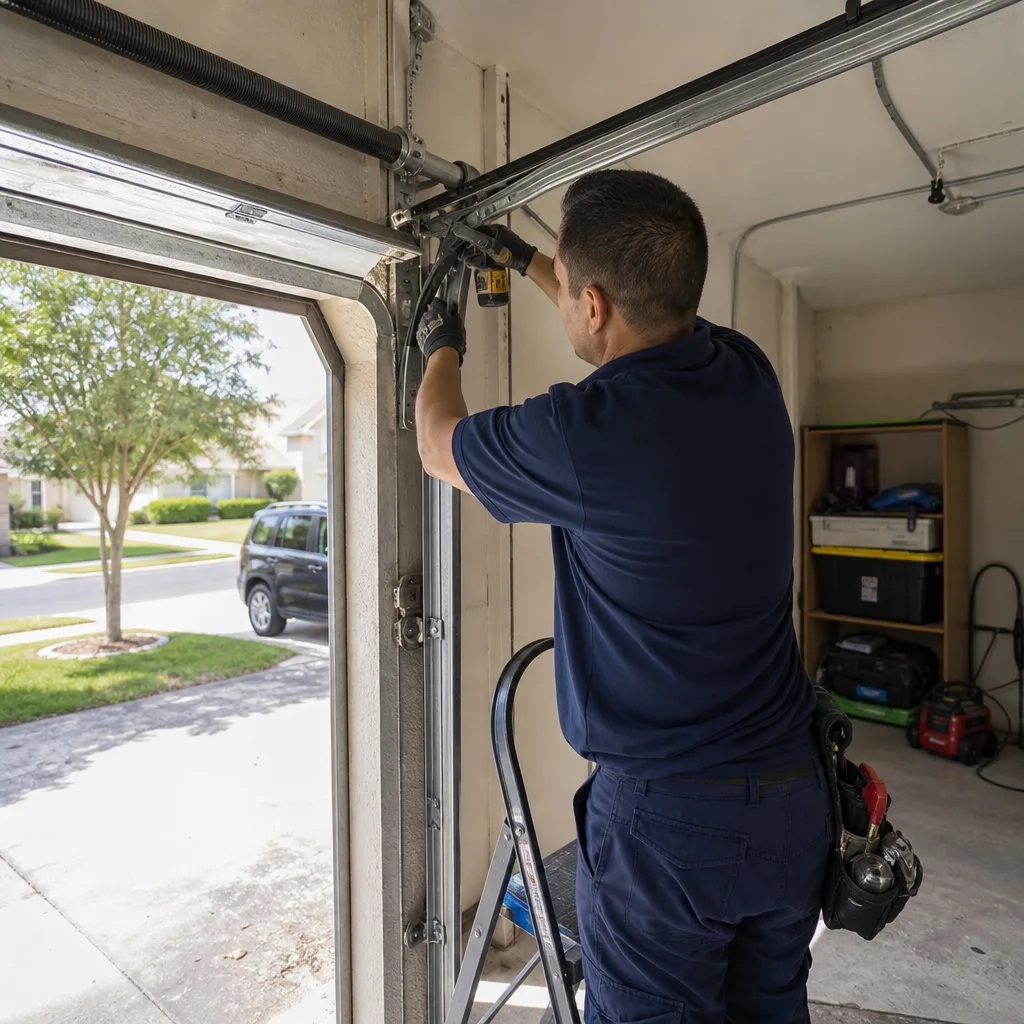
Last updated October 16, 2026
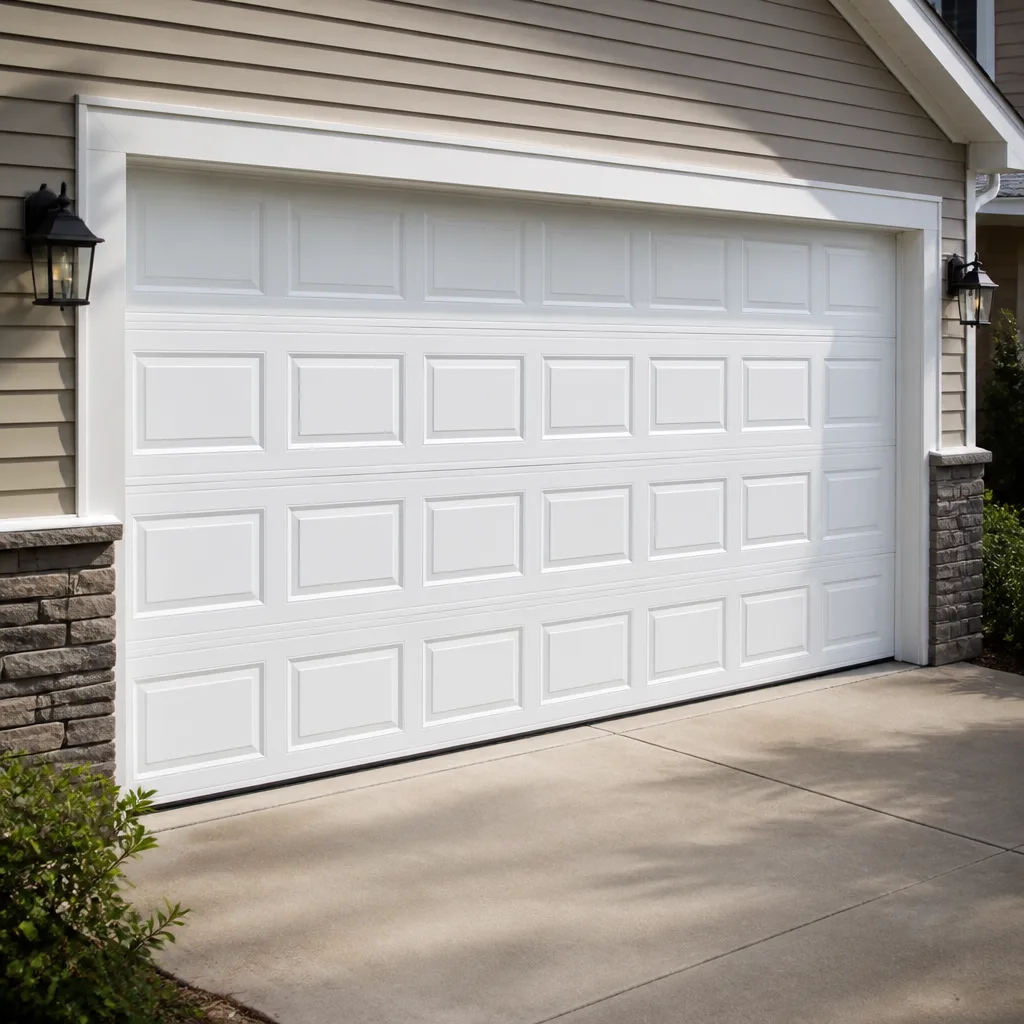 Raised-panel steel
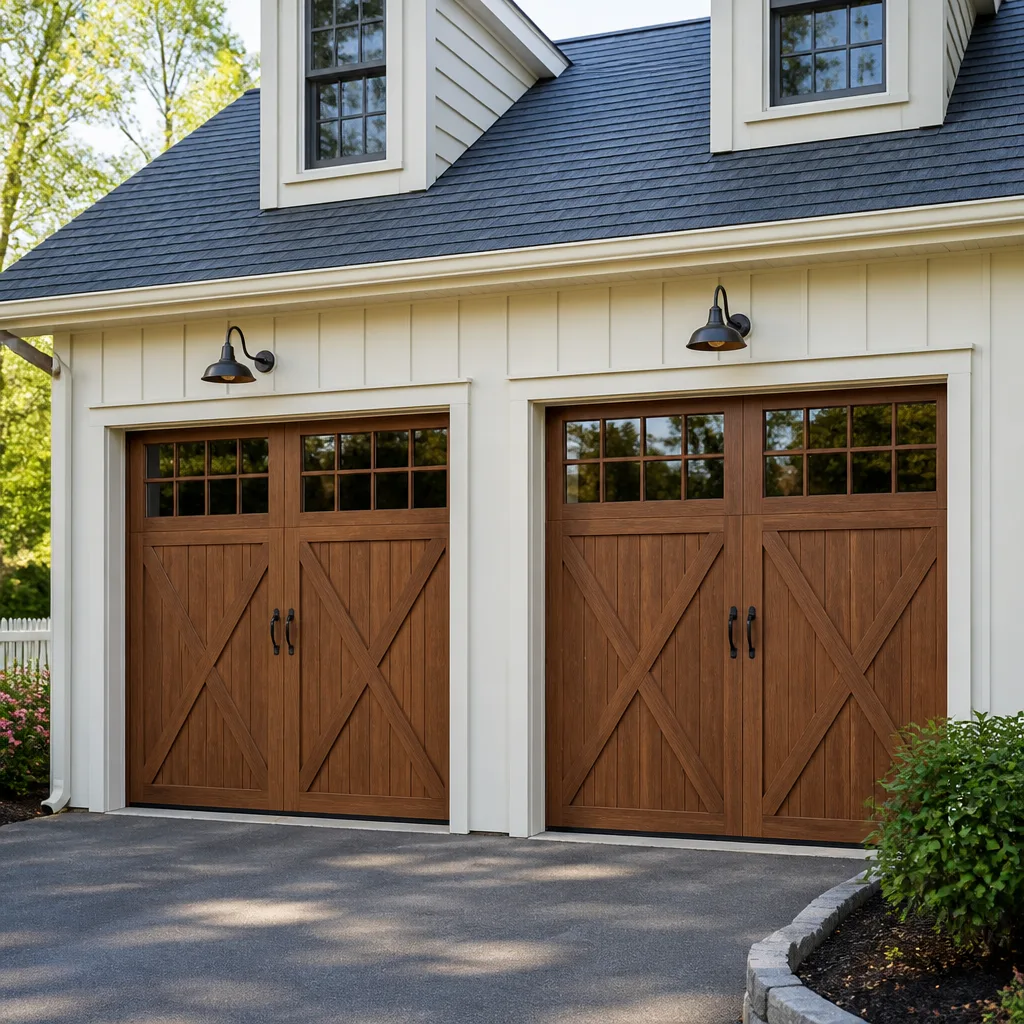 Carriage house
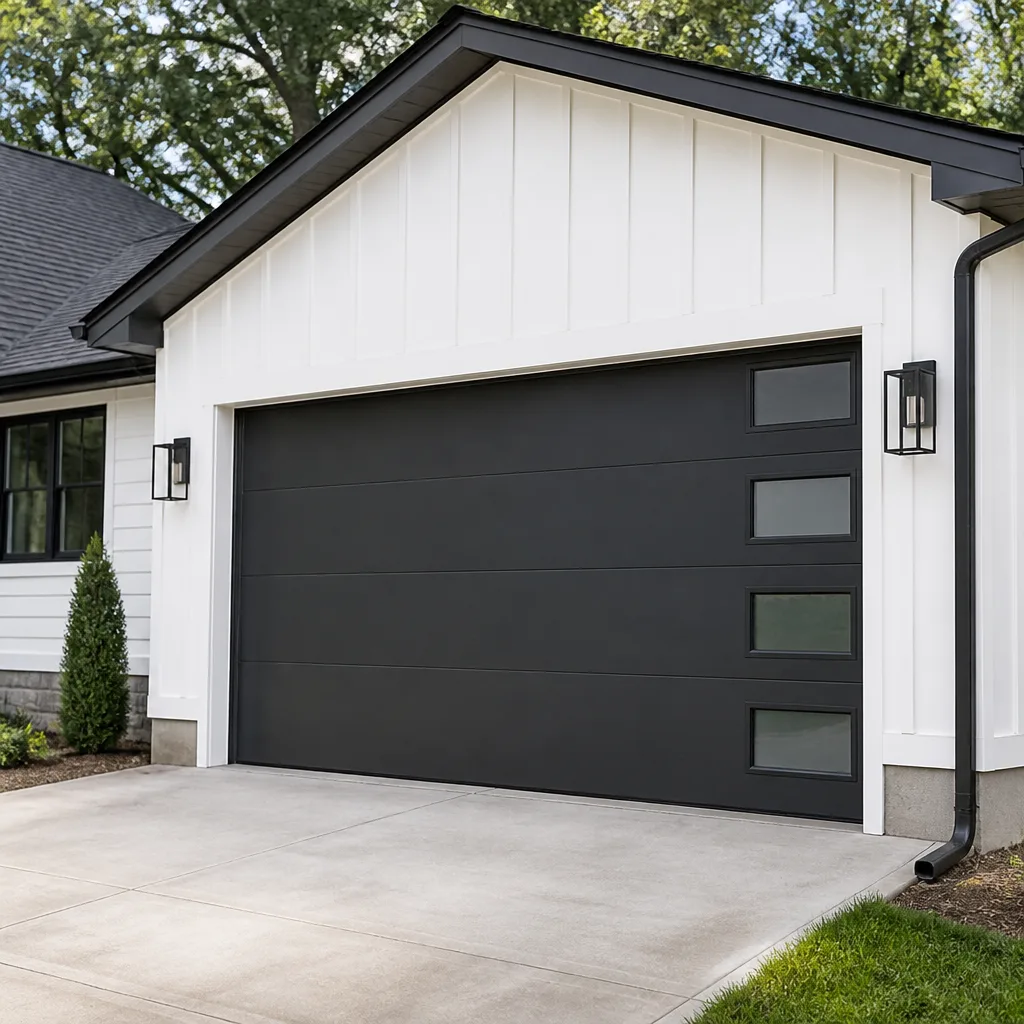 Modern flush
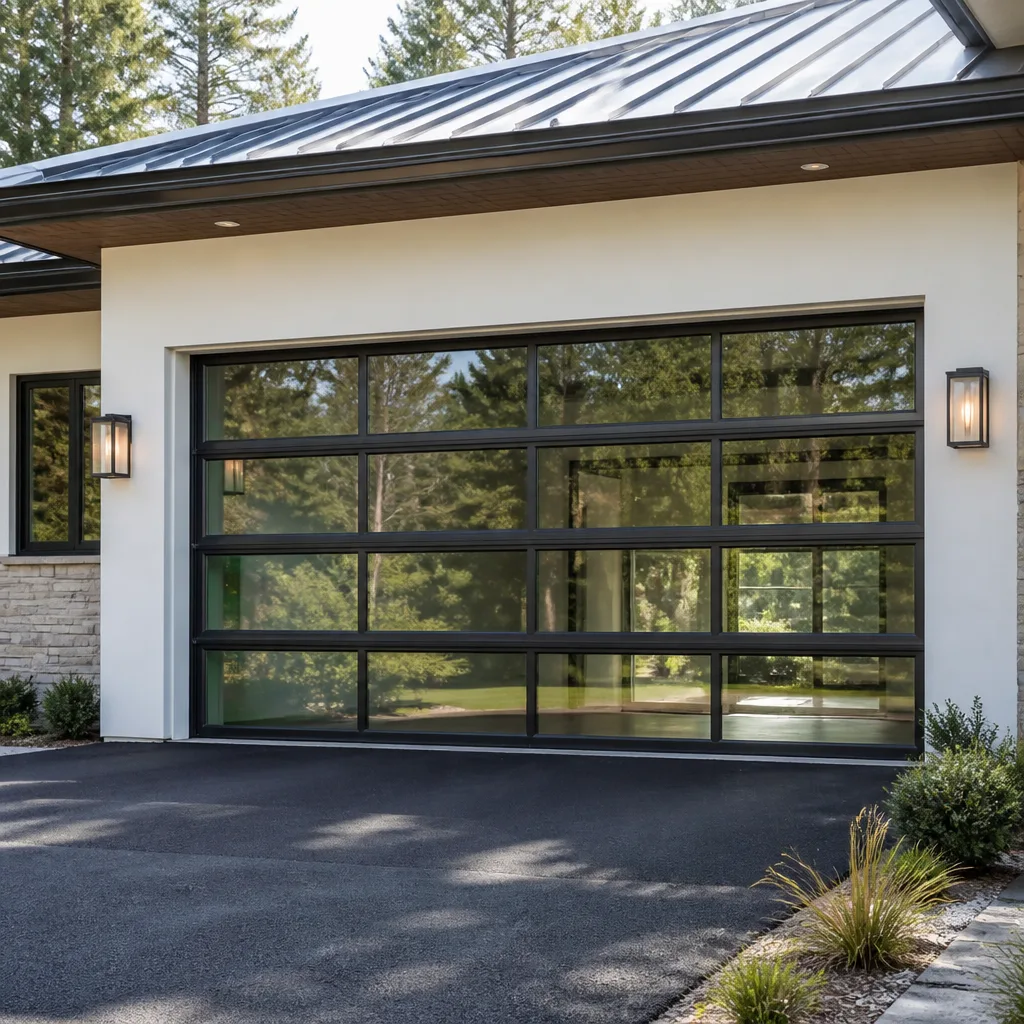 Full-view glass
 LiftMaster openers
 Chamberlain openers
Full 25-point door and opener safety check with every visit - springs, cables, rollers, tracks, and your LiftMaster or Chamberlain opener included
You get a price before we start. It does not change when the truck arrives.
Get your free estimateGarage Door Permits, Codes & Inspections in FL: What You Need to Know
Florida home inspectors are required to flag unpermitted garage door replacements. That means the $800 you saved skipping a permit in 2019 can resurface as a $300 retroactive permit fee, a failed inspection, and a stalled closing when you try to sell your Orlando house in 2027. This guide explains exactly when a garage door job crosses from repair into replacement territory under Orange County code, what wind-load requirements mean for your door selection, how to check if a previous owner pulled permits, and what happens if they didn’t. For garage door warning signs every Orlando homeowner should watch for, see our dedicated reference.
Quick Answer
A garage door repair in Florida typically does not require a permit, but a full garage door replacement usually does, especially in Orange County where wind-load certification matters. A replacement permit for a standard residential garage door in Orlando runs roughly $80 to $250 depending on the valuation, and the inspection checks anchoring, wind resistance, and proper installation. If you’re only replacing springs, cables, rollers, or panels, you can skip the permit counter entirely.
Styles & brands we work with
Table of Contents
- Repair vs. Replacement: Where Orange County Draws the Line
- Florida Building Code Section 1609 and Wind-Load Requirements
- How the Orange County Permit Process Actually Works
- What the Garage Door Rough-In Inspection Checks (And What Fails It)
- What Happens When a Previous Owner Skipped the Permit
- How Unpermitted Garage Door Work Affects Your Insurance Claim
- How to Check If a Prior Garage Door Was Permitted in Orlando
- Common Mistakes to Avoid
Repair vs. Replacement: Where Orange County Draws the Line
The single most important distinction in Florida garage door code is the line between repair and replacement. Orange County Building Division follows the Florida Building Code (FBC), which treats these two categories very differently. A repair means you’re restoring the existing door to working condition without changing its structural character. A replacement means you’re installing a new door assembly, which triggers permitting requirements.
Here’s the practical breakdown, based on what we see on Orlando job sites every week:
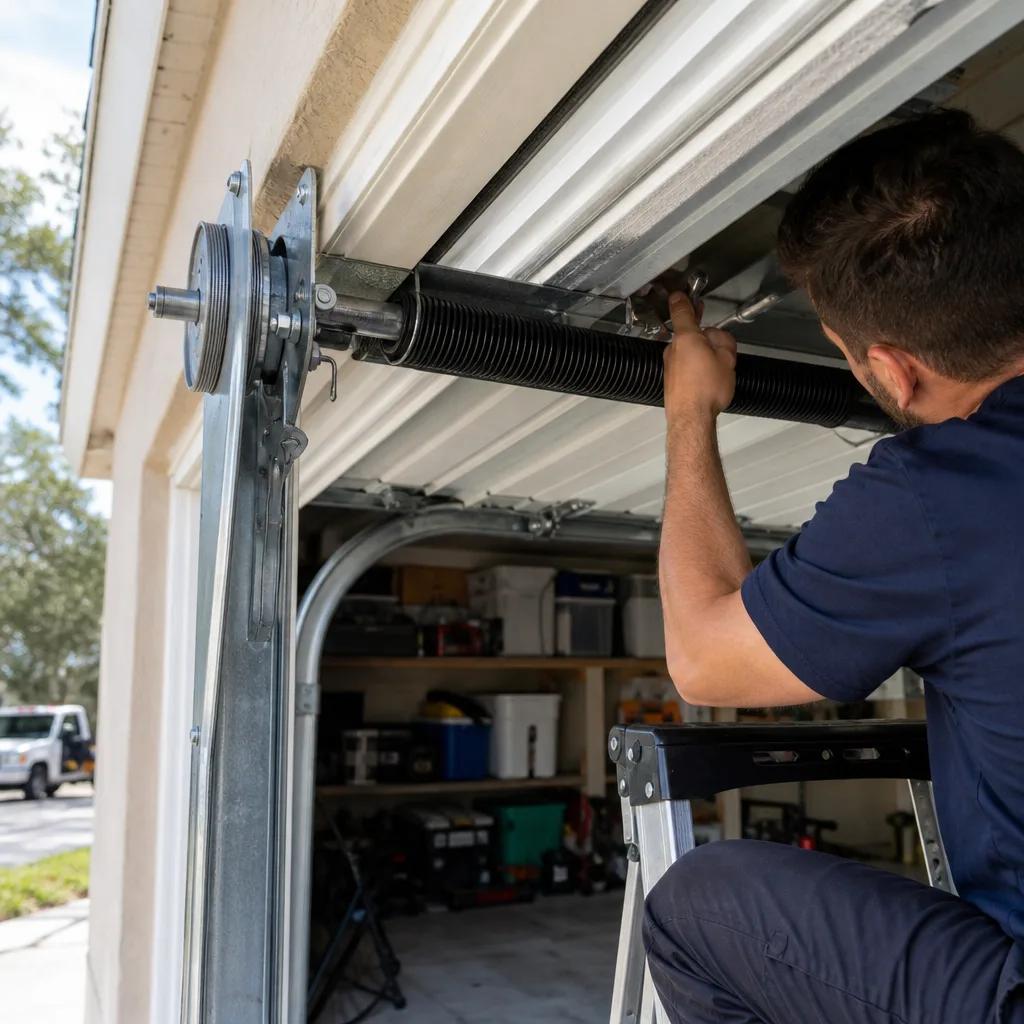
- Spring replacement: No permit. Replacing a torsion spring, the horizontal coil above your door that does most of the lifting, is classified as a repair. This applies whether it’s one spring or two.
- Cable replacement: No permit. Cables are wear items, and swapping them is routine maintenance under Florida code.
- Roller or hinge replacement: No permit. These are individual hardware components.
- Panel replacement: No permit, provided you’re replacing damaged panels on the existing door frame and track system.
- Opener replacement or installation: Generally no permit in Orange County, though the electrical circuit feeding the opener may require one if you’re adding a new outlet.
- Full door replacement: Permit required. If the entire door assembly comes out and a new one goes in, including new tracks, you need a permit before the work starts.
- Structural modification to the opening: Permit required, and this one often catches people off guard. Widening the opening or modifying the header means you’ve moved into structural territory, which requires engineered drawings.
One nuance worth knowing: some Orange County homeowners try to frame a full replacement as a “panel-by-panel repair” to avoid the permit fee. Building inspectors have seen this play before. If the door is being replaced wholesale, the county treats it as a replacement regardless of how it’s labeled on the invoice. If a contractor suggests this workaround, that’s a red flag, not a favor.
Florida Building Code Section 1609 and Wind-Load Requirements
Florida Building Code Section 1609 governs wind loads, and garage doors are a specific focus because they’re the largest opening in most homes. When a garage door fails during a hurricane or severe thunderstorm, the pressure change inside the home can lift the roof. That’s why Orlando, which sits in a 120 to 140 mph wind zone depending on the exact address, enforces wind-load ratings on new garage door installations.
Here’s what Section 1609 means when you buy a replacement door in Orlando:
- Wind-load rating: Every new garage door installed in Orange County must be rated for the design wind speed of your specific location. In most of Orlando, that’s a design pressure rating between +30 and -35 pounds per square foot, though homes in newer developments like Lake Nona or Horizon West may be in higher-rated zones.
- Product approval documentation: The door manufacturer must provide Florida Product Approval documentation (often called an FL number) that proves the door model passed wind-load testing. Brands like Amarr, Wayne Dalton, and Clopay all carry Florida approvals for wind-rated doors, but you need to select the correct model for your zone, not just any door from a wind-rated brand.
- Reinforcement requirements: In some Orlando zip codes, particularly those closer to the coast on the east side of Orange County, doors may require additional vertical bracing or reinforced tracks. The permit application will specify this based on your address.
- Anchoring: Section 1609 also dictates how the door tracks and jambs are anchored to the structure. Undersized lag bolts or missing anchors are the most common reasons a garage door rough-in inspection fails in Orlando.
This is not a paperwork formality. A door with the wrong wind rating installed in a high-wind zone can fail catastrophically during a storm. The door itself might survive, but the track assembly can pull away from the wall and allow the entire door to collapse inward. We’ve replaced doors in older Orlando neighborhoods like Colonialtown and Delaney Park where the original installs used anchor patterns that wouldn’t pass today’s code.
How the Orange County Permit Process Actually Works
If you’re replacing a garage door in Orlando, here’s the step-by-step permit process. Orange County processes most garage door permits through its online portal (Fast Track), and the process is faster than most homeowners expect.
- Determine your permit type: A standard residential garage door replacement falls under a building permit, specifically the “door replacement” category. If you’re doing structural work to the opening, that’s a different permit class. If you’re unsure, call Orange County Building Division at their main line and describe the scope; they’ll tell you which application to file.
- Gather your documentation: You’ll need the property address, the parcel ID (find it on the Orange County Property Appraiser website), the door manufacturer’s Florida Product Approval number, and either the scope of work from your contractor or the product specifications if you’re doing it yourself.
- Submit the application online: Orange County uses the Fast Track Online Services portal for residential permits. The application takes about 15 minutes if you have the documentation ready. The valuation is based on the cost of the door and installation labor, which determines your permit fee.
- Pay the fee: For a standard residential garage door replacement in Orlando, the permit fee typically falls between $80 and $250 including the surcharges. Larger doors, custom models, or hurricane-rated doors with higher valuations may push that number higher.
- Receive your permit number: Most garage door permits in Orange County are issued within 1 to 3 business days. Some qualify for instant issuance if the application is complete.
- Post the permit at the job site: The permit must be visible from the street while work is underway. Your contractor handles this step if you’ve hired one.
- Schedule the inspection: Once the door is installed, call or schedule online for the rough-in or final inspection. Orange County typically schedules garage door inspections within 24 to 72 hours of the request.
One thing Orlando homeowners appreciate: if you hire a licensed garage door company, the contractor typically handles the entire permit process as part of the job. That’s how we operate at Garage Door Repair in Orlando. The permit cost is a line item on your written estimate, not a surprise add-on at the end, and the price you agree to is the price you pay before we start the work.
What the Garage Door Rough-In Inspection Actually Checks (And What Fails It)
The garage door inspection in Orange County is not a formality. It’s a real inspection performed by a county building inspector, usually taking 10 to 20 minutes. Here’s what the inspector is checking, based on what we see during inspections across Orlando from Dr. Phillips to Winter Park:
- Anchoring and fasteners: The inspector verifies that the tracks, jambs, and mounting brackets are secured with the correct size and number of fasteners. Undersized lag bolts are the number one failure we see on older Orlando homes where the original install used hardware that doesn’t meet current wind-load standards.
- Wind-load compliance: The inspector checks that the installed door matches the Florida Product Approval documentation submitted with the permit. This means verifying the model number, the door thickness, and any reinforcement components.
- Balance and operation: The inspector will manually lift the door to check that it stays in place at mid-height. If the springs are improperly tensioned and the door creeps down or slams shut, the inspection fails.
- Safety reversal system: If an opener is part of the installation, the inspector checks that the auto-reverse works and the photo-eye sensors are properly positioned. In Florida, the sensors must be mounted no higher than 6 inches off the floor.
- Weather sealing and flashing: The inspector verifies that the door is properly sealed against water intrusion, particularly at the bottom corners and the top header. Orlando’s afternoon thunderstorms make this a bigger deal here than in drier climates.
- Headroom and side clearance: The inspector checks that the door doesn’t bind against the framing at any point in its travel.
The most common failure in Orlando, based on our experience, is insufficient anchoring. Especially on homes built before 2002, when wind-load requirements were less stringent. If the original framing at the opening is degraded or undersized, the inspector may require reinforcement before the door installation is approved.
What Happens When a Previous Owner Skipped the Permit
This section matters more than most Orlando homeowners expect. Florida home inspectors are trained to identify signs of a replaced garage door, and they cross-check against permit records. When a door was replaced without a permit, the inspector flags it in the inspection report. From there, the situation gets complicated.
Here’s what actually happens when unpermitted work surfaces during a home sale in Orlando:
- The buyer requests a retroactive permit: Most real estate contracts in Florida include language requiring the seller to resolve unpermitted work before closing. The seller files for a permit after the fact, which requires the same documentation as a normal permit, plus a penalty fee that can be double the original permit cost.
- The county may require an inspection of the existing installation: If the door was installed years ago and the inspector can’t verify the wind-load compliance from visual inspection alone, the county may require the seller to provide documentation from the manufacturer or, in some cases, replace non-compliant components.
- The buyer may walk away entirely: Some buyers use unpermitted work as a reason to terminate the contract. Others use it as a negotiation tool. In either case, the seller loses leverage and money.
- Lenders can get involved: If the buyer is using an FHA or VA loan, unpermitted work can be a loan condition. The mortgage can’t close until the issue is resolved.
The purpose of this guide isn’t to scare you into pulling a permit for a spring repair, because a Garage Door Spring Repair in Orlando doesn’t need one. It’s to help you understand that a full door replacement is a different animal. The $1,200 you might save by skipping the permit today can easily become a $2,500 problem at closing, if it doesn’t tank the deal entirely.
How Unpermitted Garage Door Work Affects Your Insurance Claim
Here’s the part most guides skip: the insurance angle. When you file a claim involving the garage door, whether it’s storm damage, a vehicle impact, or forced entry, the insurance adjuster will look at the door’s permit history.
If the door was replaced without a permit and the cause of loss is connected to the door installation, the claim can be denied outright. That’s not speculation; it’s standard policy language. Most Florida homeowners insurance policies include conditions regarding work that was required to be permitted under applicable building codes. If the unpermitted installation contributed to the damage, the insurer has grounds to deny.
Consider this scenario, which we saw play out in the Conway neighborhood of Orlando: a homeowner had a garage door installed without a permit in 2021. In 2024, a microburst pushed the door inward, damaging the door, the tracks, and a parked car. The insurance adjuster found the unpermitted installation during the claim investigation and denied the garage door portion of the claim because the anchoring didn’t meet current code. The homeowner was out of pocket for the full door replacement, the track damage, and the car repair. The original installer had gone out of business, so there was no recourse.
The same principle applies to Garage Door Cable Repair in Orlando claims, though cable repairs rarely require permits. The distinction is that a cable failure is generally not the cause of loss in a storm claim. A failed door anchoring system is, and that’s where the permit question surfaces.
How to Check If a Prior Garage Door Was Permitted in Orlando
If you’re buying a home in Orlando, or if you just bought one and want to know where you stand, here’s how to check the permit history on any property in Orange County.
- Visit the Orange County Fast Track Online Services portal: This is the same system used for permit applications. You’ll find it by searching “Orange County Fast Track permits.”
- Select “Search Permits” from the main menu: You can search by address, parcel ID, or permit number. The address search is the simplest route for most homeowners.
- Enter the property address exactly as it appears on the Property Appraiser website: The system will show you all permits associated with that address, including garage door replacements, if any were pulled.
- Review the permit history: Look for a permit classified as “door replacement,” “garage door,” or similar. The permit will show the issue date, the work description, the contractor (if one was used), and the inspection status.
- If no permit exists but the door looks newer than the home: Check the door manufacturer label. Most doors have a label on the inside edge of the door panel with the model and manufacturing date. If the date is significantly newer than the home’s construction year and no permit is on file, the door was likely replaced without one.
You can also call Orange County Building Division directly and ask a permit technician to look up the address. Some Orlando neighborhoods are in cities with their own building departments, including Winter Park, Maitland, and Apopka. If you live in one of those incorporated areas, check with the city, not the county.
Common Mistakes to Avoid
- Skipping the permit to save money: The permit fee is a fraction of the cost of a retroactive permit plus penalties. A garage door replacement is exactly the kind of work that surfaces during resale, and Orlando’s real estate market moves fast enough that buyers have inspectors who know what to look for.
- Assuming all garage door work requires a permit: Spring replacement, cable replacement, roller replacement, and panel repairs do not require permits in Orange County. Filing an unnecessary permit application wastes time and money.
- Hiring a contractor who offers to do the work “without the hassle of permits”: A licensed contractor knows the code. If someone frames the permit process as a hassle to be avoided, they’re signaling that they’re either unlicensed or willing to cut corners.
- Choosing a door based on price alone without checking wind-load compliance: A cheap door that doesn’t meet Section 1609 requirements won’t pass inspection, and you’ll end up paying for the compliant door anyway.
- Not keeping the permit documentation after the job is done: When you sell the house, that permit record is your proof. Save a copy of the permit, the inspection approval, and the contractor’s invoice.
- Putting off the inspection because the door works fine: The permit is not closed until the inspection is done. An open permit on your property is a headache for future sales even if the work was done correctly.
- Assuming incorporated cities in the Orlando metro follow Orange County rules: Winter Park, Maitland, Ocoee, and Apopka all have their own building departments. The requirement is similar because they all enforce the Florida Building Code, but the process, fees, and portal are different.
See the difference
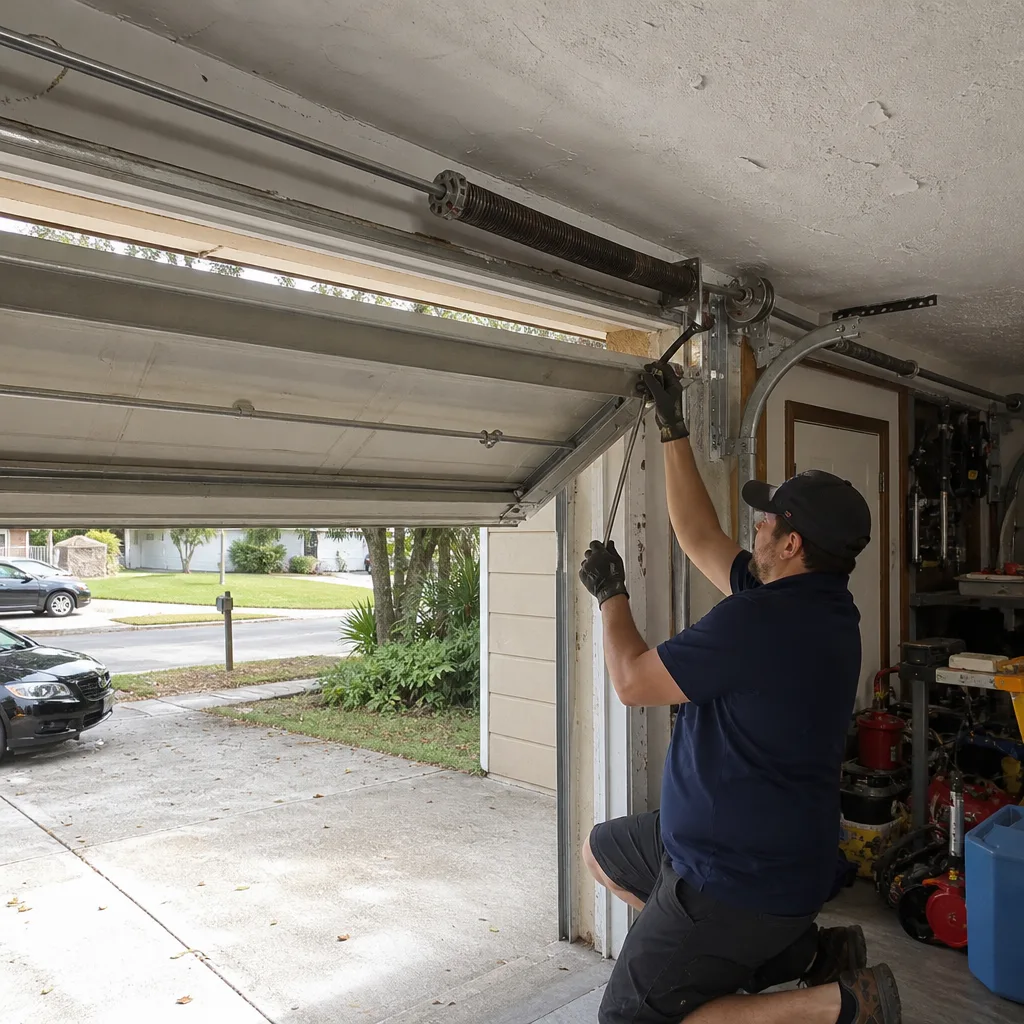 Before
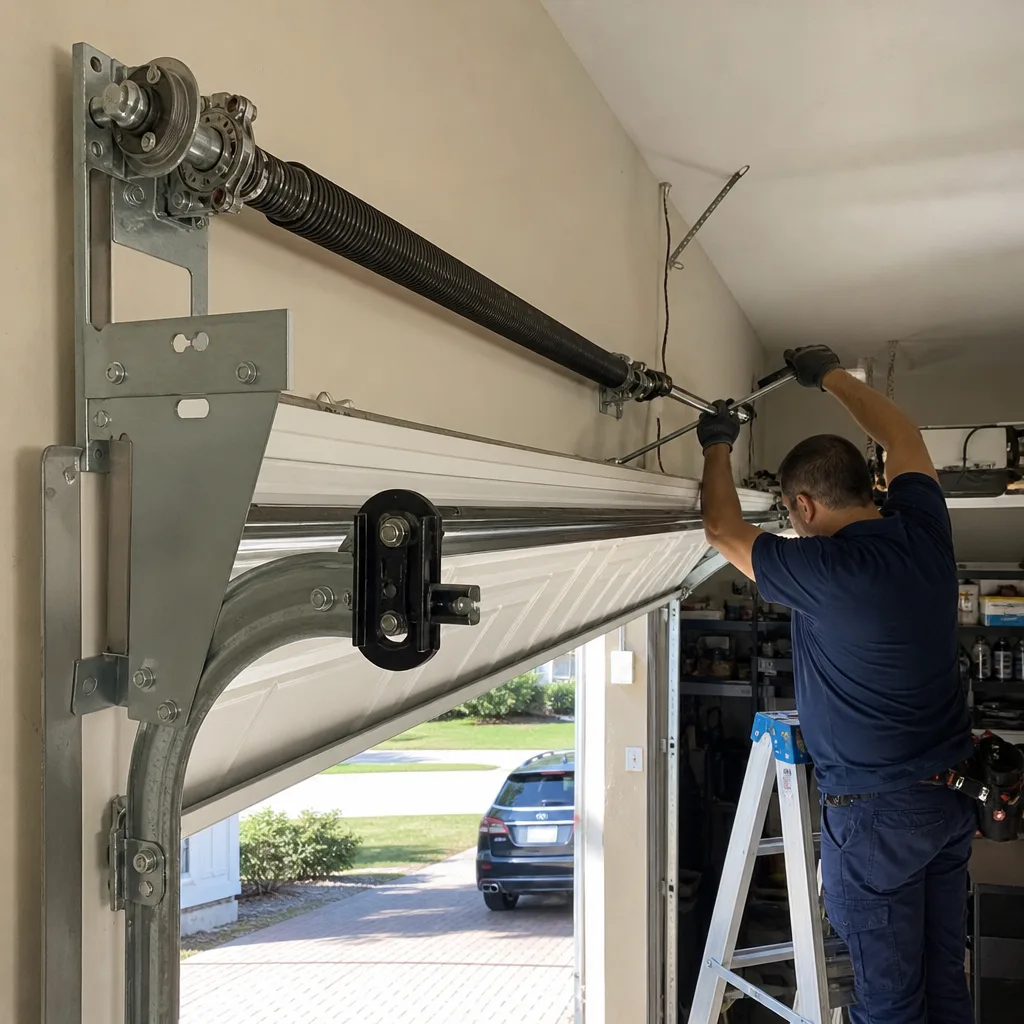 After
After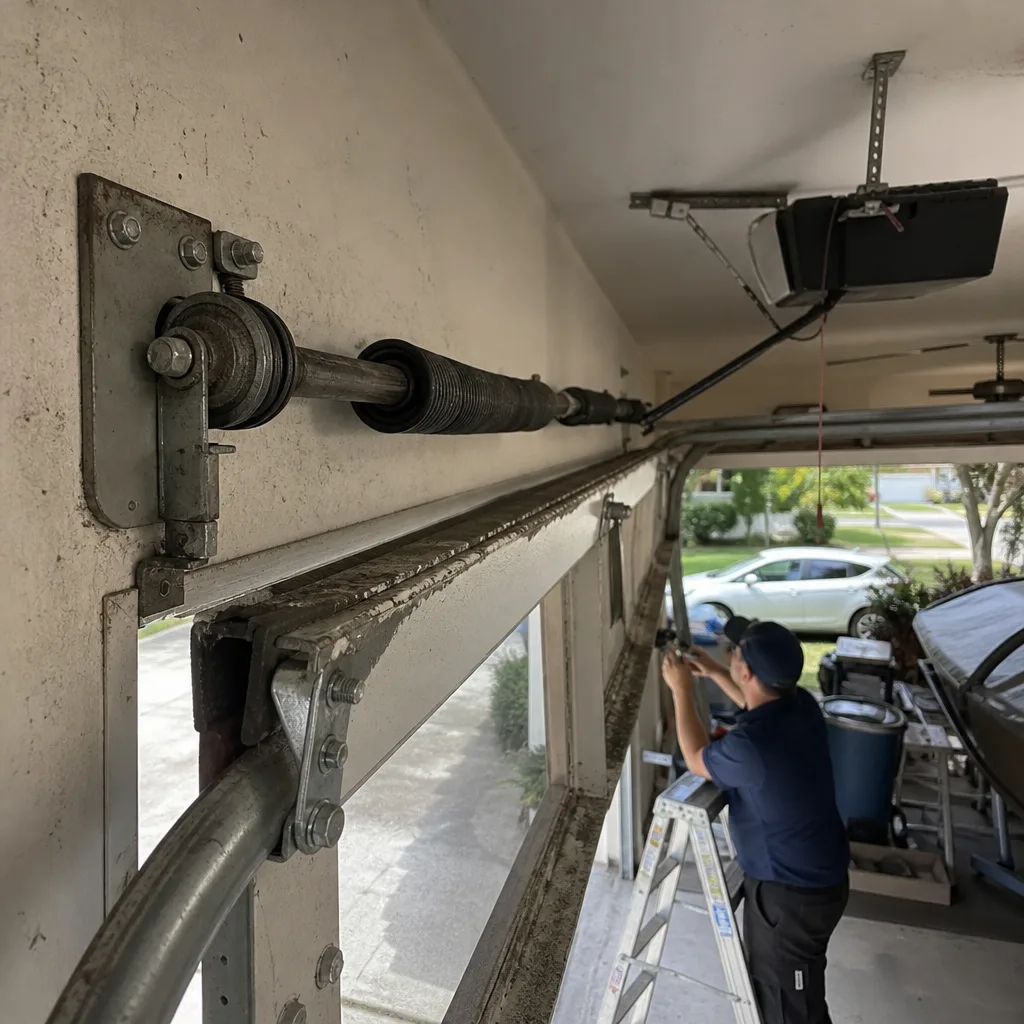 Before
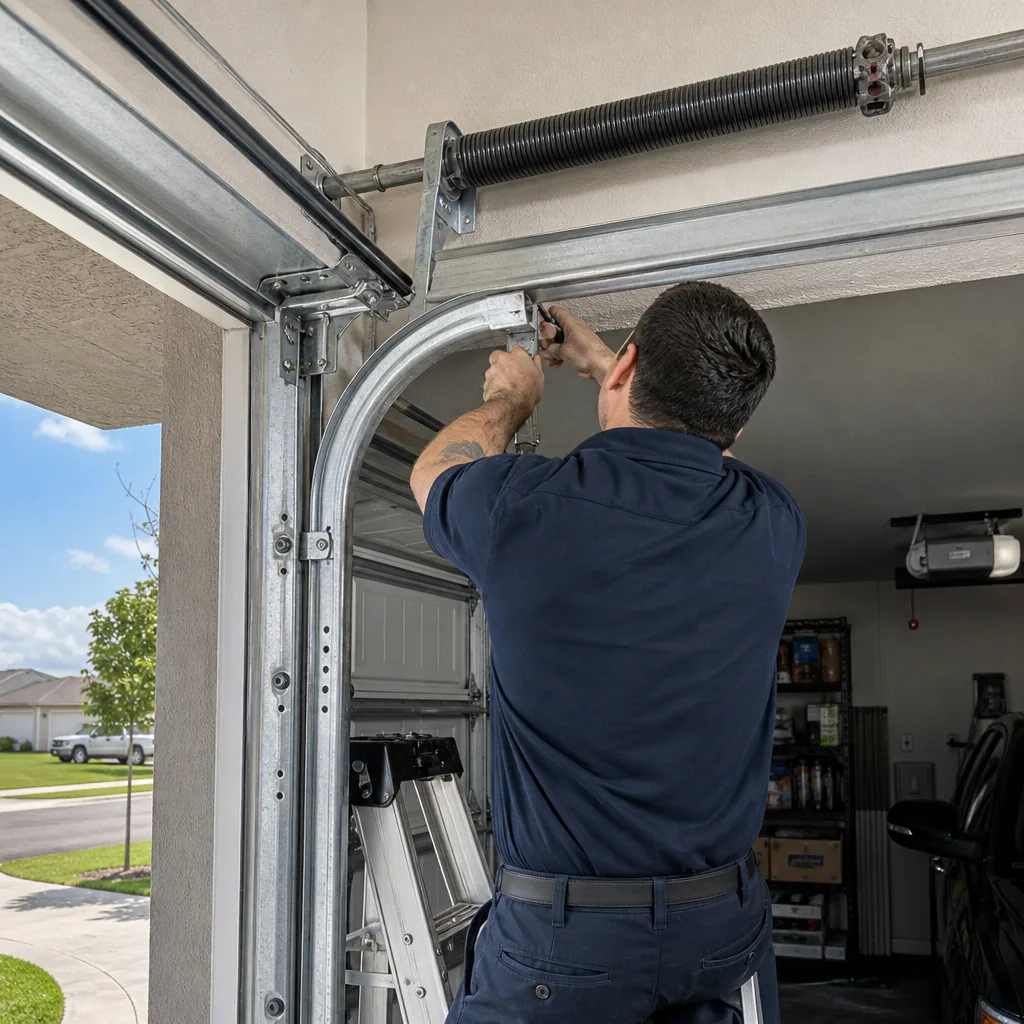 After
After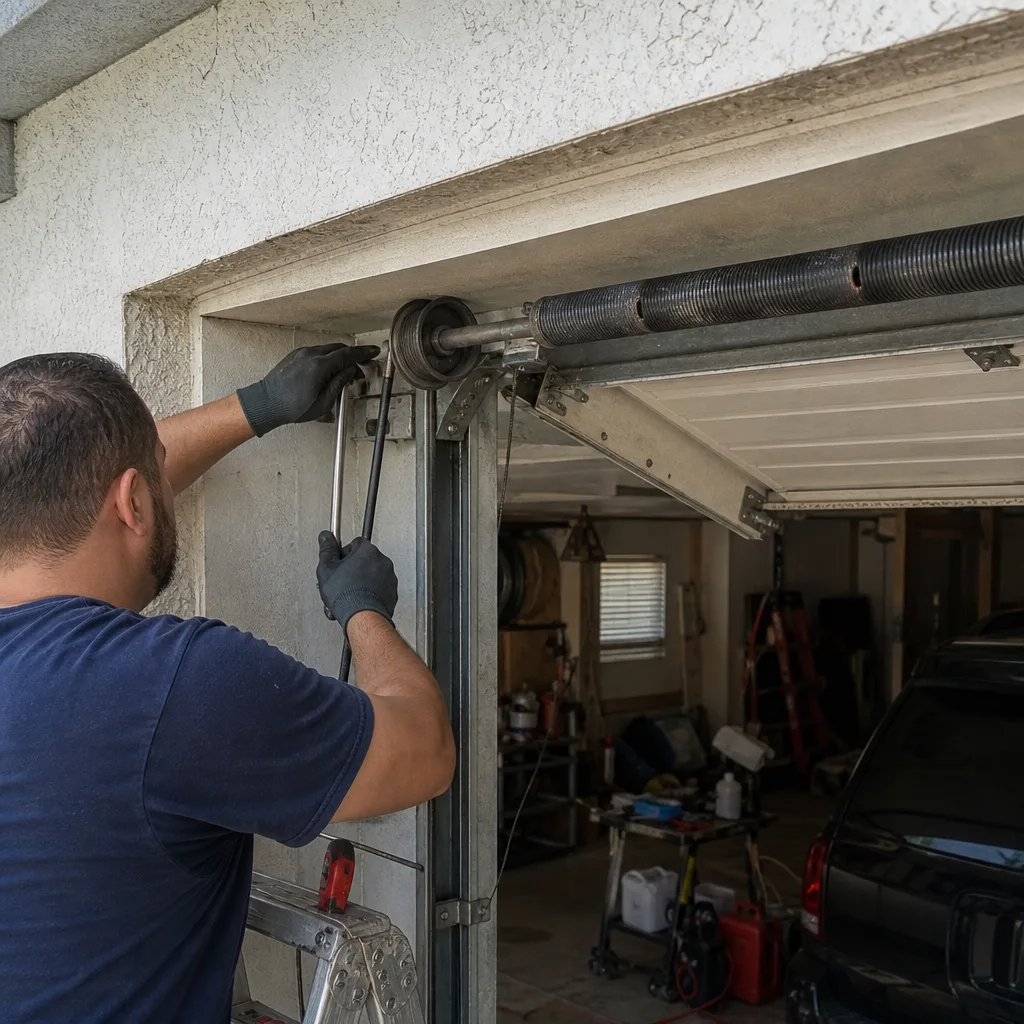 Before
 After
AfterWhen to Call a Professional
If you’re replacing a garage door and the process above sounds like more than you want to manage, that’s reasonable. A licensed Orlando garage door company handles the permit application, the documentation, the installation, and the inspection scheduling as part of the job. You get one written price that includes everything, and you don’t spend a Tuesday afternoon on hold with the county. If you’re unsure whether your specific project needs a permit, call and ask. Any legitimate company will give you a straight answer without a sales pitch attached. Marlow Garage Door Repair Orlando offers free estimates in Orlando. Call (850) 790-4744 and we’ll tell you honestly whether your job needs a permit and exactly what the cost will be, before any work is scheduled.
Frequently Asked Questions
Yes, in most Florida jurisdictions including Orange County, a full garage door replacement requires a building permit. Repairs such as spring replacement, cable replacement, and panel repair do not. The permit verifies wind-load compliance and proper anchoring, both of which are mandatory under Florida Building Code Section 1609. Call (850) 790-4744 if you need help determining which category your job falls under, or review our Garage Door Repair Maintenance Checklist for Orlando Homeowners.
A garage door replacement permit in Orange County typically costs between $80 and $250, depending on the project valuation. This is a line item any reputable Orlando contractor will include in the written estimate, not a surprise charge after installation.
Orlando sits in a 120 to 140 mph wind zone, which means the door must carry a Florida Product Approval for the design pressure of your specific address. The door model must match the approval documentation exactly, including any reinforcement requirements. We recommend looking for doors with FL product approval numbers from manufacturers like Amarr, Wayne Dalton, or Clopay.
If the unpermitted replacement is discovered during your own home sale, you’ll likely face a retroactive permit fee that can double the original cost, plus an inspection that may require upgrades if the installation doesn’t meet current code. If the unpermitted installation contributes to an insurance claim, the claim can be denied.
For repairs, yes. Spring and cable replacements are typically completed same-day in Orlando because the parts are common and our trucks carry a full inventory. For full door replacements, the timeline is longer because the door must be ordered with the correct wind-load specification, and the permit must be issued before installation. Estimates are always free at (850) 790-4744.
Generally no. Garage door opener installation or replacement does not require a building permit in Orange County, though adding a new electrical outlet for the opener may trigger an electrical permit. The door itself is the component subject to wind-load permitting.
The Bottom Line
Florida building code exists for good reason, and the garage door permit process in Orange County is simpler and cheaper than most people fear. A repair doesn’t need a permit. A replacement does. The permit costs less than $250 in most cases, and the inspection verifies that your door can survive what Orlando weather throws at it. Skipping the permit saves a little money now and creates a much larger problem later, whether that’s a resale snag, an insurance denial, or a door that fails during a storm. And when the permit is handled as part of your written estimate, the quoted price is the final price. That’s how it should work.
Written by Jaylen Ross, Owner at Marlow Garage Door Repair Orlando, serving Orlando since 2002.